How AI is Changing the Way We Code in 2026
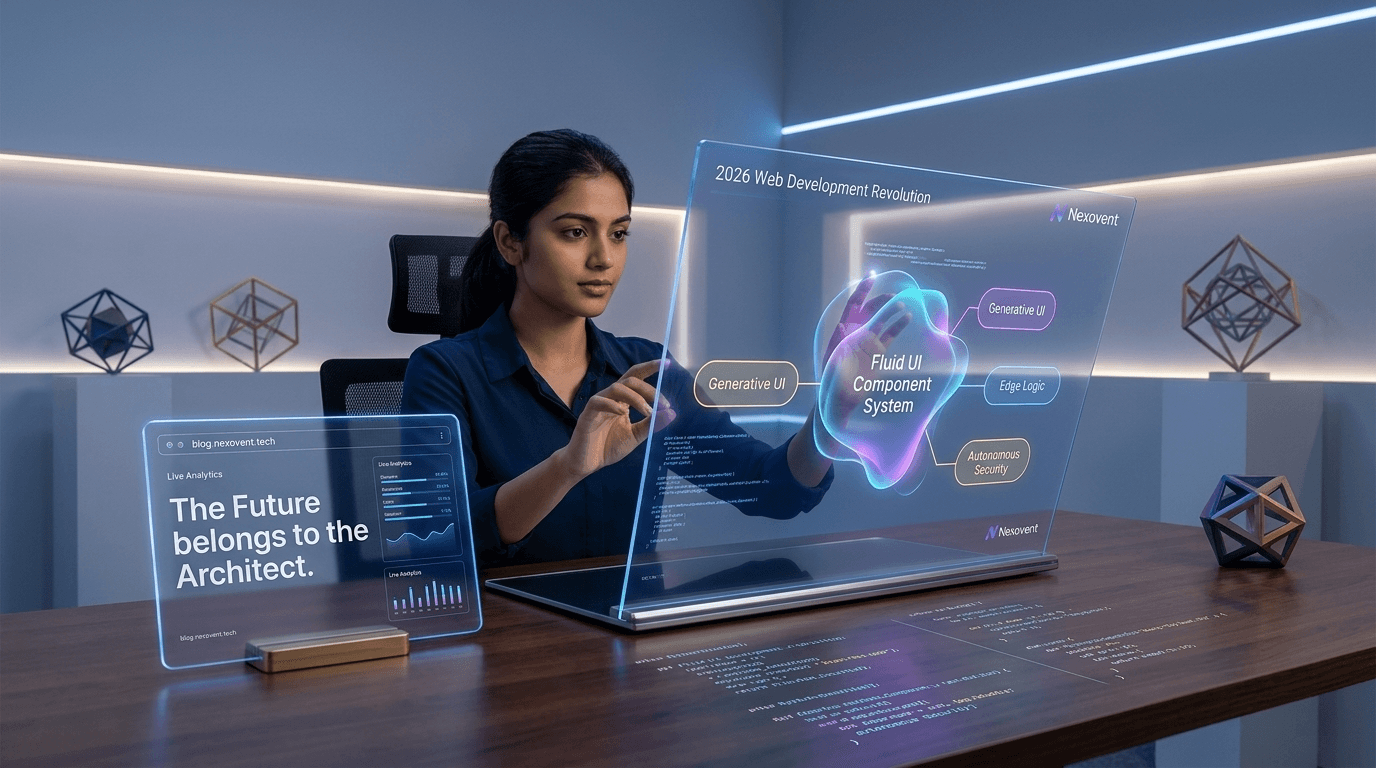
For decades, the image of a developer was someone hunched over a glowing screen, manually typing out every semicolon and bracket. Fast forward to 2026, and that image has fundamentally shifted. We aren't just "coders" anymore; we have evolved into software architects, with AI acting as the most powerful engine under our hood.
If you are still looking at AI as just a "fancy autocomplete," you are missing the revolution. Here is how the landscape of software development has been permanently rewritten.
1. The Death of Syntax Struggles
Remember the days of spending three hours debugging a missing closing tag or a type mismatch? In 2026, those days are a relic of the past. Modern AI models understand context better than ever. They don’t just suggest the next word; they predict the entire logic flow based on the intent of your project.
This doesn't make us lazy—it makes us efficient. By offloading the "grunt work" of syntax to AI, developers are finally free to focus on what actually matters: solving real-world problems.
2. The Rise of "Intent-Based" Development
The biggest shift in 2026 is moving from how to code to what to build. We are entering the era of Intent-Based Development. You describe the logic, the constraints, and the desired outcome in natural language, and the AI generates a robust, maintainable foundation.
However, the "Human Touch" is more critical here than ever. AI can write a function, but it cannot understand the nuance of user experience or the ethical implications of an algorithm. That remains the developer’s unique superpower.
3. Real-Time Security and Scalability
In 2026, security isn't an afterthought—it's baked into the development process. AI tools now perform real-time vulnerability scans as you architect your system, catching potential leaks or bottlenecks before the first commit is even made. This proactive approach has made software more resilient and scalable by design.
4. The Collaborative Human-AI Workflow
The most successful developers today are those who treat AI as a collaborator, not a competitor. Whether it’s automating routine documentation, generating unit tests, or refactoring legacy code into clean, modern logic, the synergy between human creativity and machine speed is where the magic happens.
Final Thoughts: The New Developer Identity
As we navigate through 2026, the definition of a "Professional Developer" has matured. It’s no longer about how many languages you know by heart, but how well you can leverage AI to bring complex ideas to life with elegance and precision.
The art of clean code has survived the AI revolution—it has just found a more sophisticated way to be expressed.